 layrd.liveLayer by Layer
- 1. Isomer Basics
- 2. Functional
- 3. Metamerism
- 4. Keto-Enol
- 5. Other Tautomers
- 6. D.B.E. & Counting
- 7. Geometrical
- 8. Chirality
- 9. No Chiral Carbon
- 10. Counting Stereoisomers
- 11. Racemates & ee
- 12. Fischer & D/L
- 13. Alkane Conformations
- 14. Cyclohexane
Optical Isomerism Without a Chiral Carbon
Chirality needs only dissymmetry, not a chiral carbon. Allenes, alkylidene cycloalkanes, spiranes and hindered biphenyls are chiral because of their shape.
Builds on: Part 8 · Optical Activity, Symmetry and Chirality.
Perpendicular ends
In abC=C=Cab the two ends lie in perpendicular planes, so there is no plane of symmetry: penta-2,3-diene exists as a pair of enantiomers.
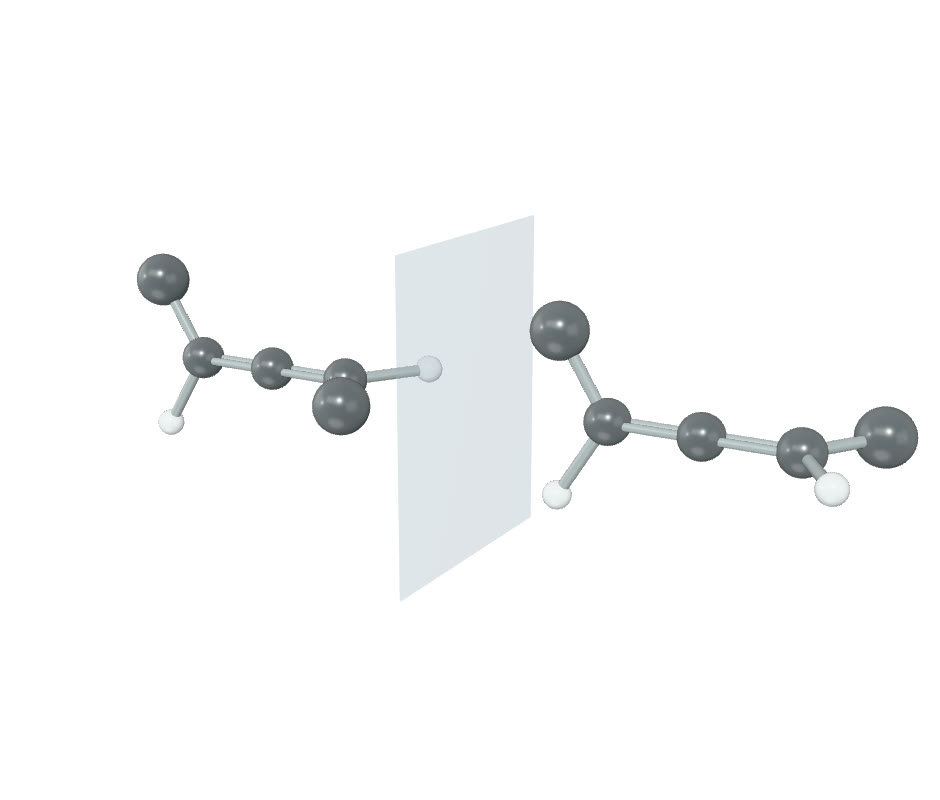
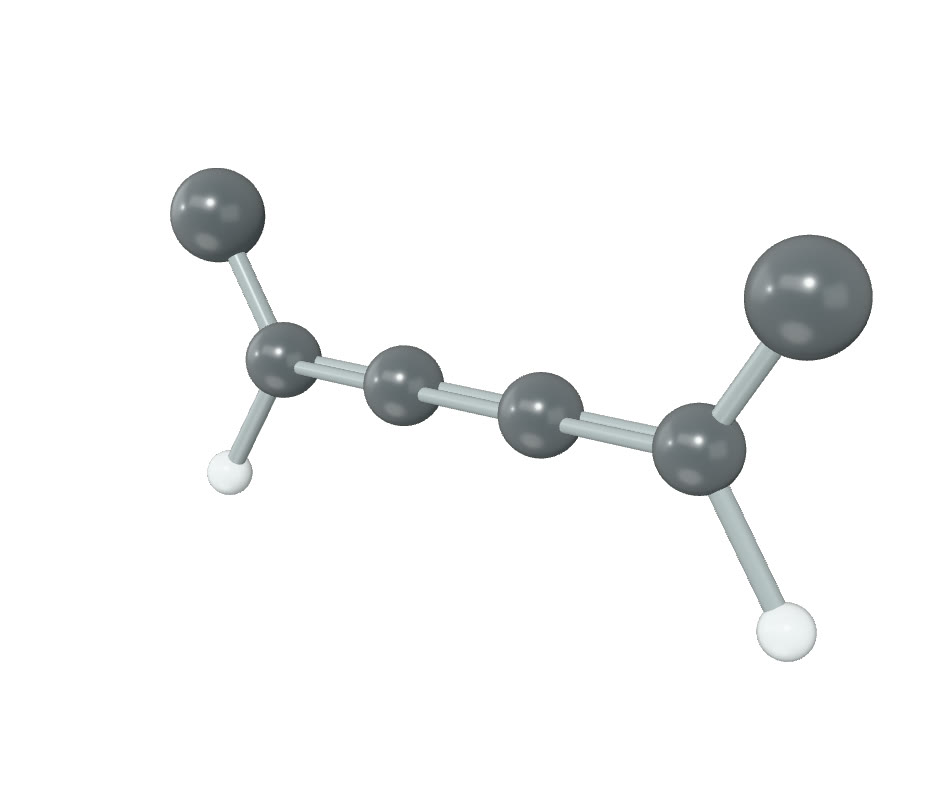
Flat, so cis-trans
With three cumulated double bonds the end groups lie in one plane: geometrical, not optical, isomerism. Even number of C=C: can be chiral; odd: cis-trans.
Alkylidenes and spiranes
Replace one C=C of an allene with a ring for an alkylidene cycloalkane, both for a spirane. They are active when each end carries two different groups.
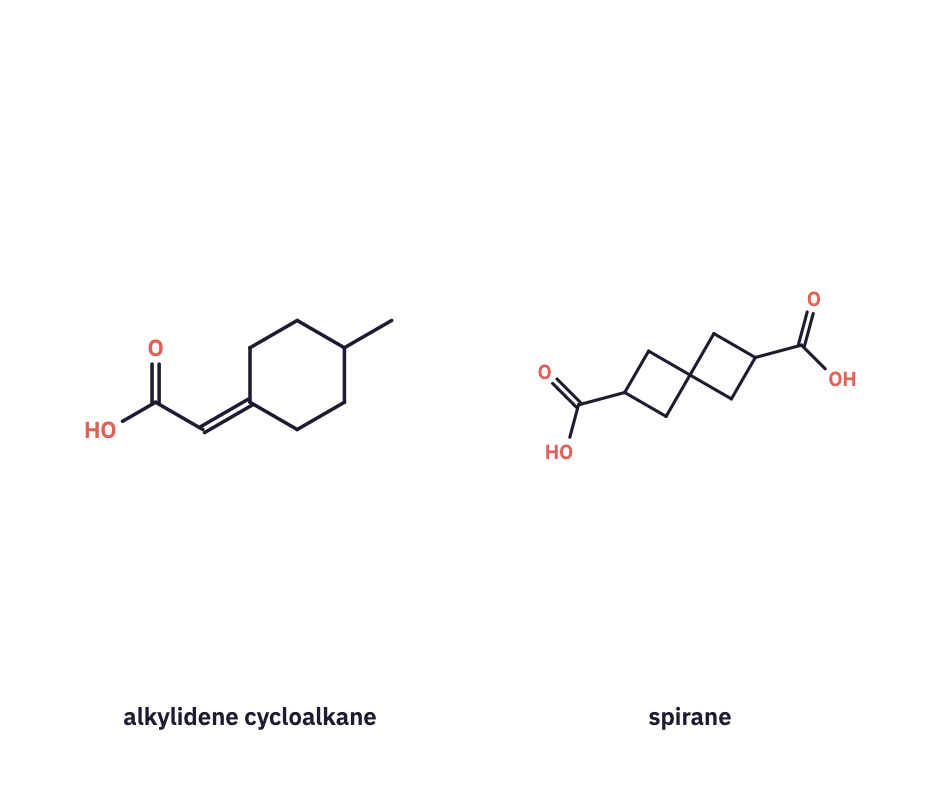
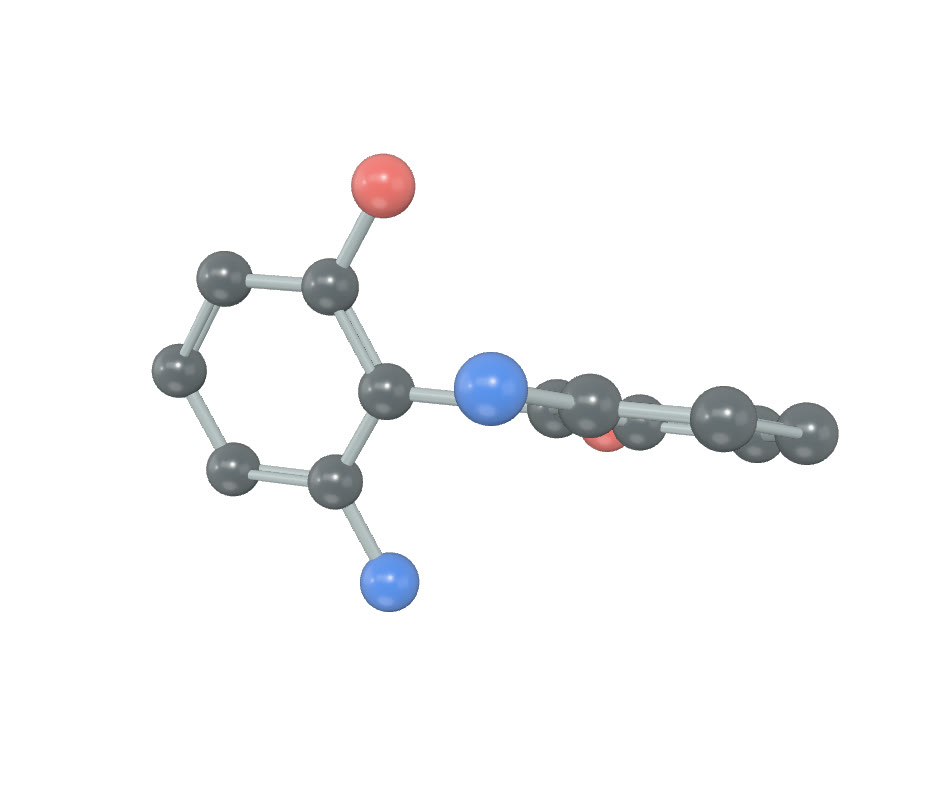
Blocked rotation
Bulky ortho groups (NO₂, COOH, SO₃H) stop the rings rotating. If each ring has two different ortho groups, the twisted molecule is chiral: atropisomerism.
Your turn
Which is optically inactive?
Show the answer and the traps
Three cumulated double bonds keep the end groups in one plane, so (a) is flat and achiral. Option (a).
(b) is an allene with two different groups at each end: chiral. (c) has blocked rotation and no plane of symmetry: chiral too.
Common mistakes
Try these
1. Is buta-1,2-diene (CH₂=C=CHCH₃) optically active?
No: one end carries two H atoms.
2. Which is resolvable: biphenyl-2,2′-dicarboxylic acid or 6,6′-dinitrobiphenyl-2,2′-dicarboxylic acid?
The dinitro compound: each ring has two different bulky ortho groups.