 layrd.liveLayer by Layer
Isomerism (Structural and Stereoisomerism)
Fourteen connected videos that build the chapter layer by layer, in teaching order: structural isomers first, then stereoisomers, then conformations. Each part has a companion page with the key ideas, common mistakes and practice questions. The formula sheet, revision sheet and mixed practice set cover the whole chapter.
Learning path · Formula sheet · Practice set
Print and revise: Revision sheet (PDF) · Formula sheet (PDF, one page)
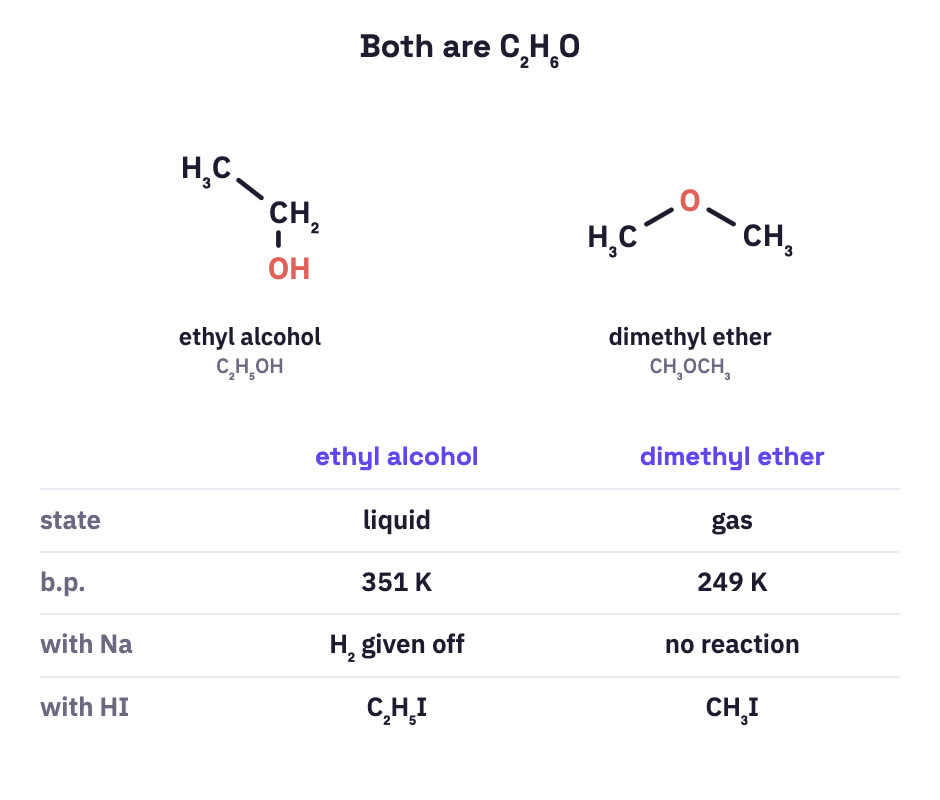
Isomers: Chain, Position and Ring-Chain
Define isomers, map the types of isomerism, and spot chain, position and ring-chain isomers.
What isomers are · Classification of isomerism · Chain isomerism · Position isomerism · Ring-chain isomerism · Watch on YouTube
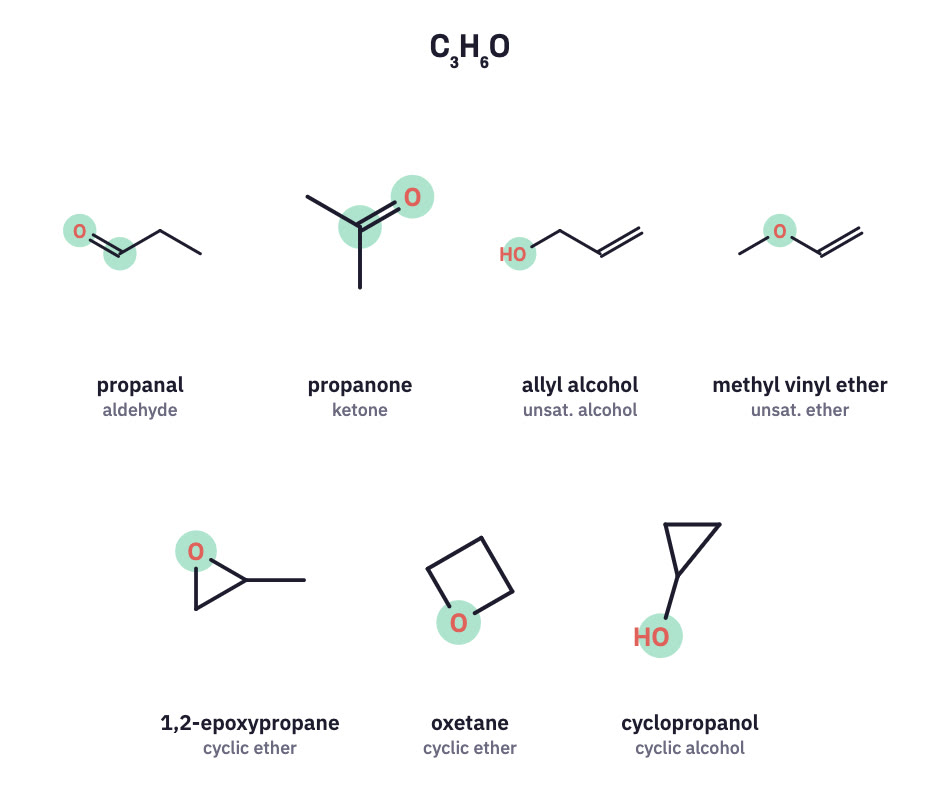
Functional Isomerism
Recognise the functional groups that share a general formula and write functional isomers for any formula.
Functional isomers · CnH2nO and CnH2nO2 families · Nitrogen and sulphur pairs · Watch on YouTube
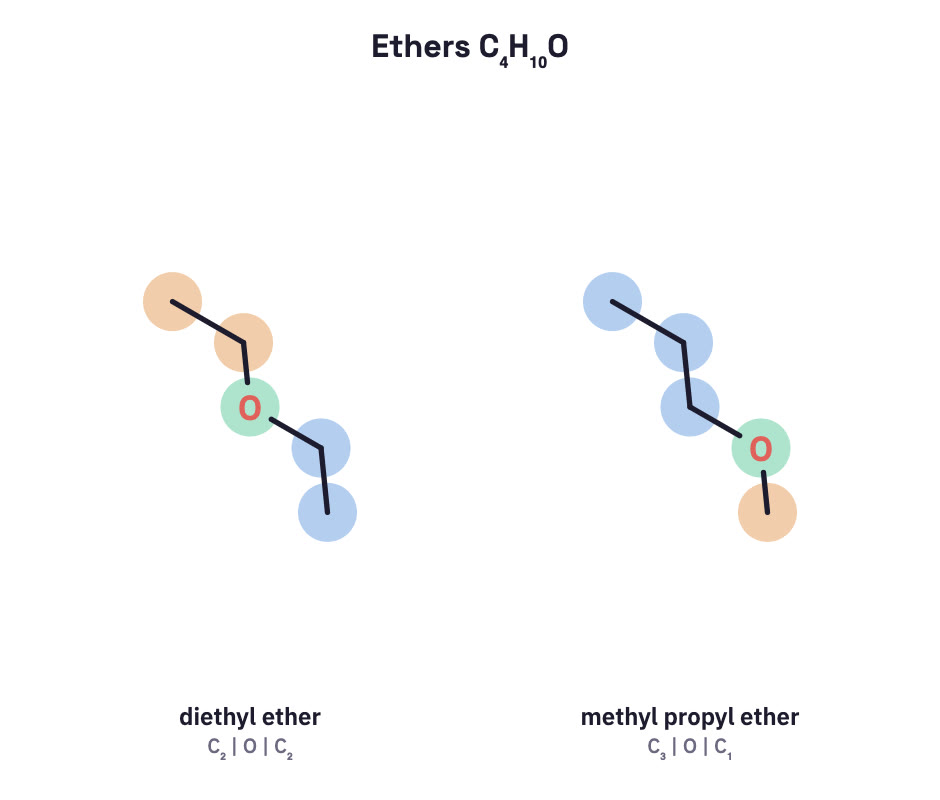
Metamerism
Identify metamers: the same functional group with different alkyl groups on its two sides.
Metamerism · Ethers, ketones, amines, amides and esters · Metamers vs position isomers · Watch on YouTube
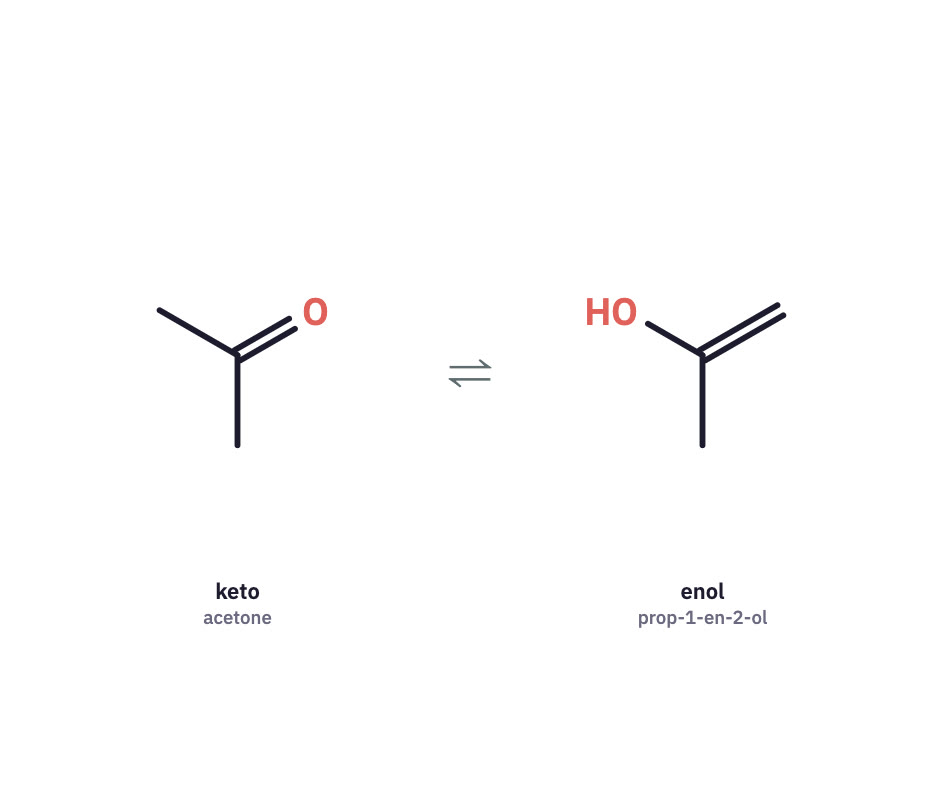
Tautomerism and Keto-Enol Equilibrium
Explain tautomerism, predict enol content from structure and solvent, and outline acid- and base-catalysed enolisation.
Dyad and triad tautomerism · Keto-enol stability · Factors stabilising the enol · Acid and base catalysis · Conditions for tautomerism · Watch on YouTube
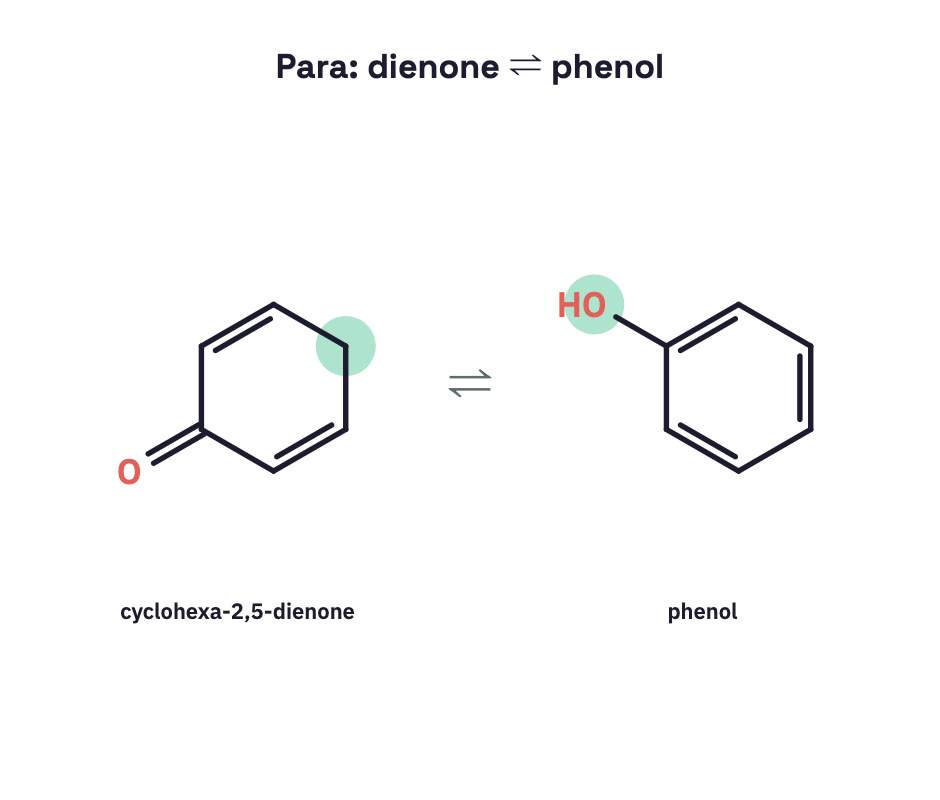
Other Types of Tautomerism
Recognise para tautomerism and the nitrogen triads: nitro-aci, nitroso-oxime, imine-enamine, azo-hydrazone and amide-imidol.
Para tautomerism · Nitrogen triad systems · Watch on YouTube
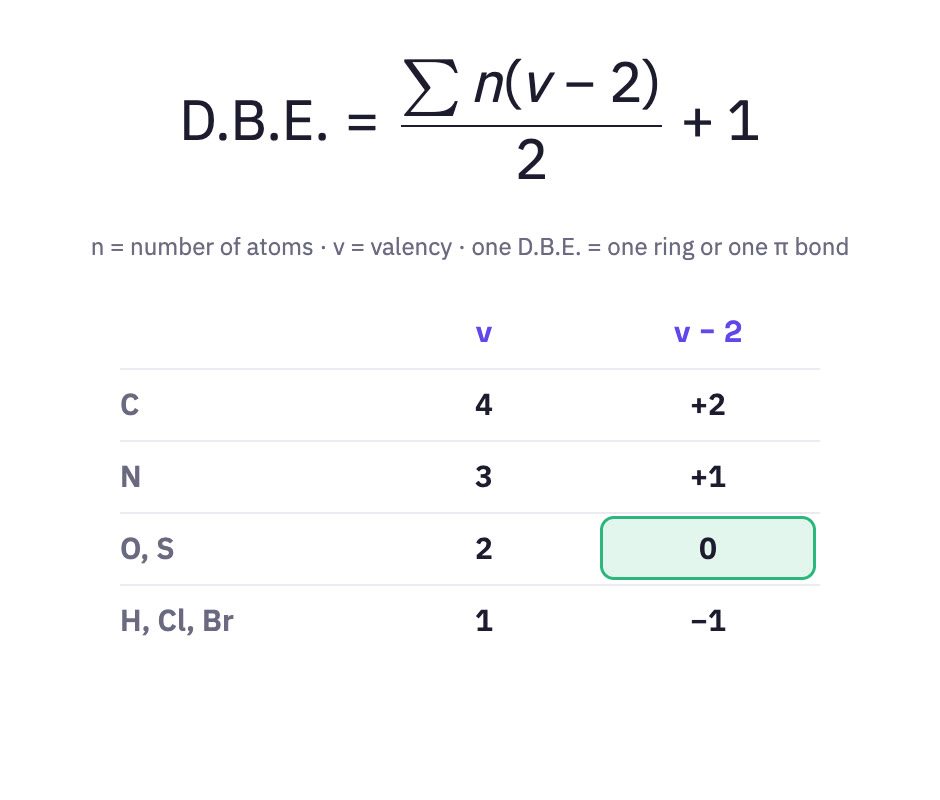
Degree of Unsaturation and Counting Isomers
Use the double bond equivalent to see what a formula allows, then list every structural isomer without misses or repeats.
Double bond equivalent · Systematic isomer counting · C4H9Br, C3H6O and C5H8 · Watch on YouTube
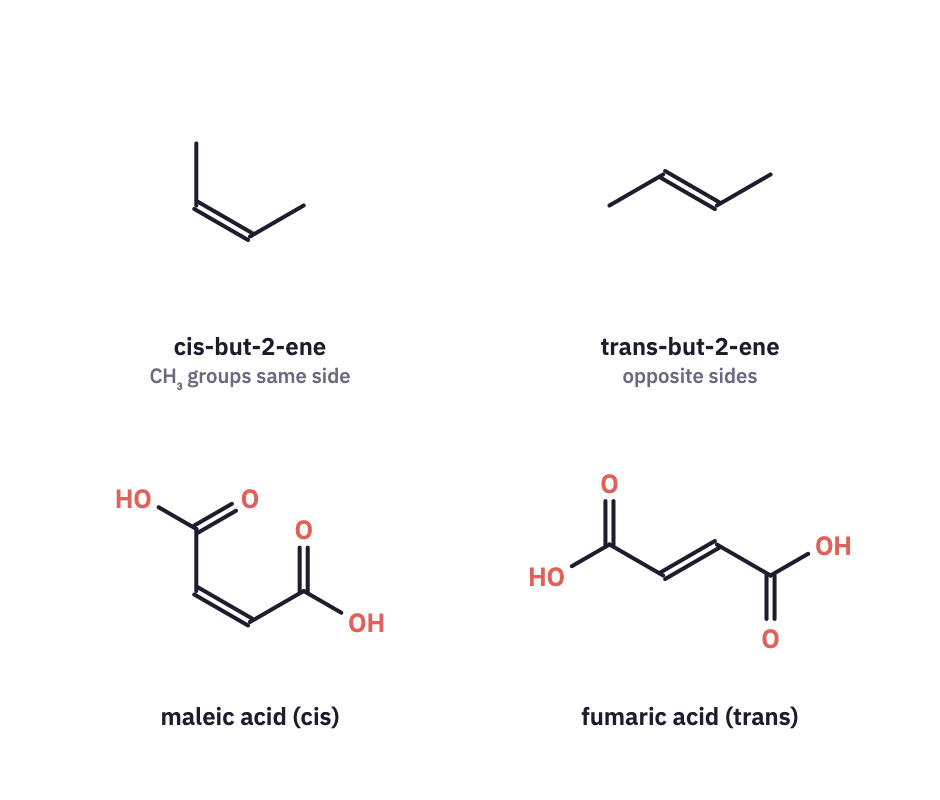
Geometrical (cis-trans) Isomerism
Decide when cis-trans isomerism is possible, compare cis and trans properties, use syn/anti, and count isomers in polyenes.
Conditions for geometrical isomerism · Cis vs trans properties · Syn and anti oximes · Syn and anti addition · Polyene isomer count · Watch on YouTube
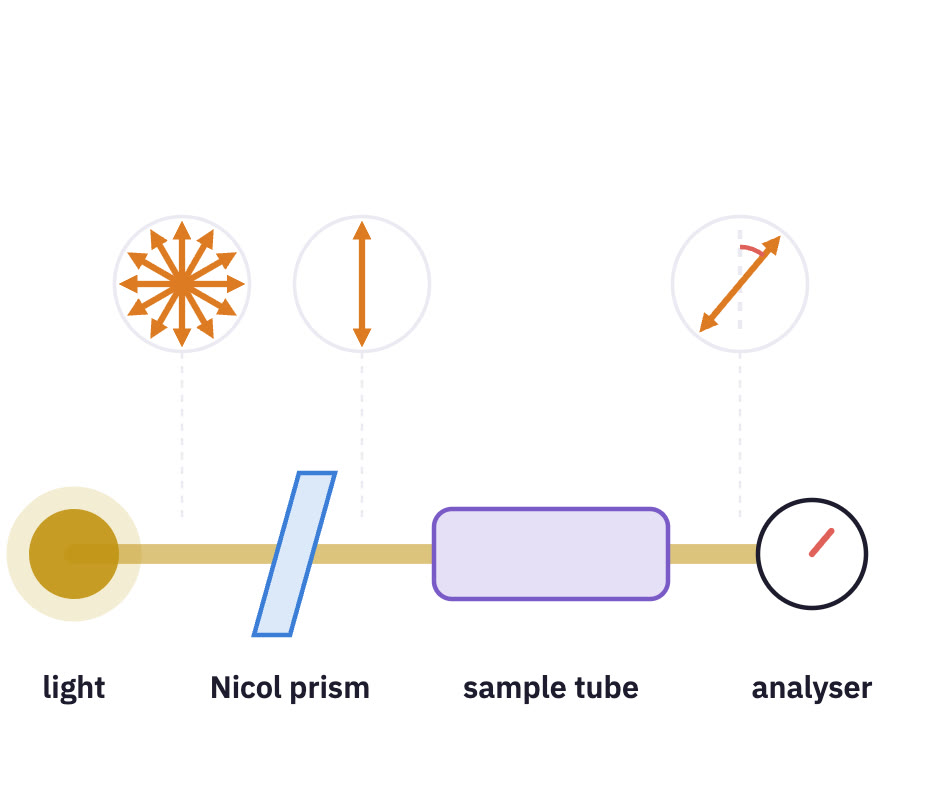
Optical Activity, Symmetry and Chirality
Explain optical activity and specific rotation, use symmetry to decide chirality, and find chiral centres.
Plane-polarised light · Specific rotation · Symmetry and chirality · Enantiomers · Chiral centres and stereocentres · Watch on YouTube
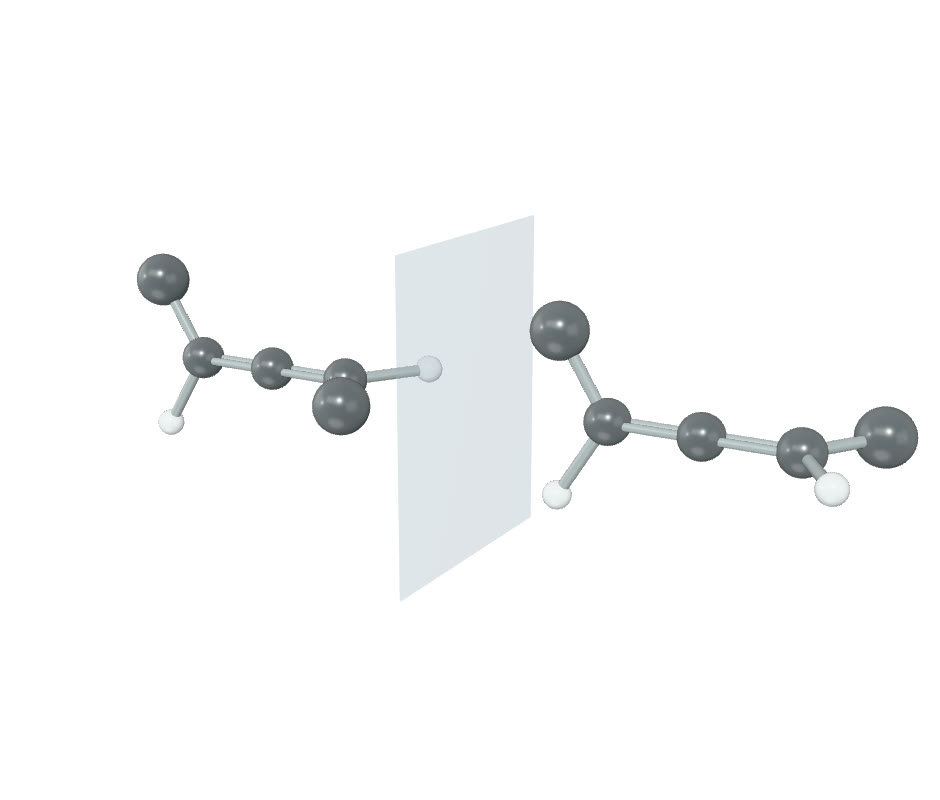
Optical Isomerism Without a Chiral Carbon
Recognise axially chiral molecules: allenes, alkylidene cycloalkanes, spiranes and hindered biphenyls.
Chiral allenes · Spiranes · Biphenyl atropisomers · Watch on YouTube
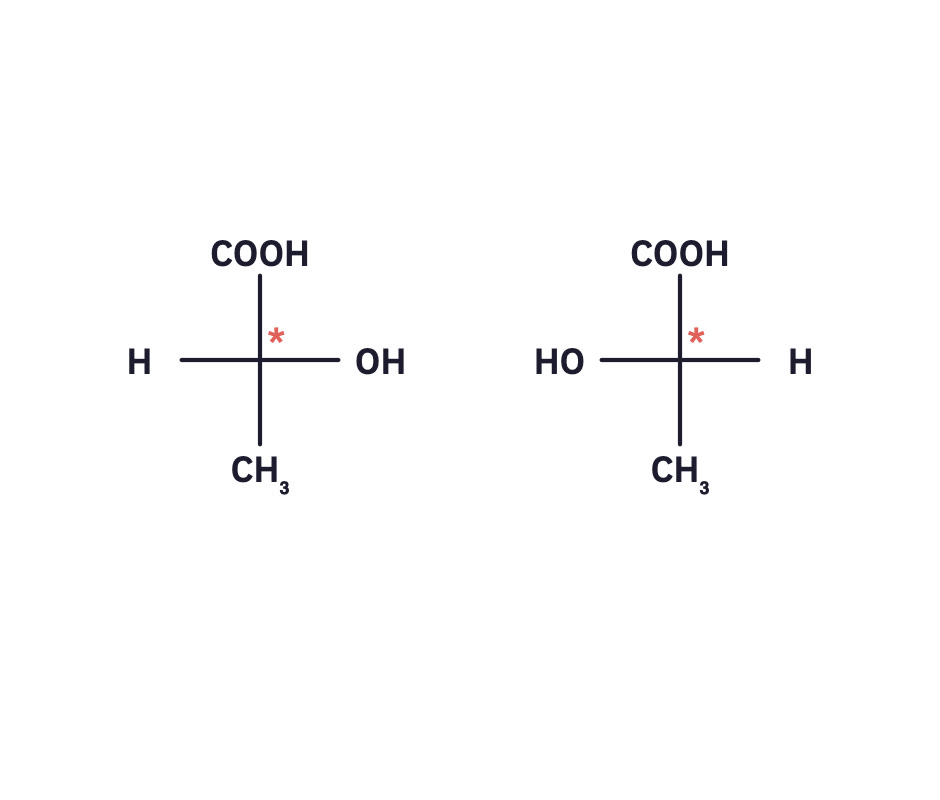
Lactic Acid, Tartaric Acid and Counting Stereoisomers
Describe the forms of lactic and tartaric acid and count optical isomers for any number of chiral centres.
Lactic acid · Tartaric acid and meso form · Number of optical isomers · Watch on YouTube
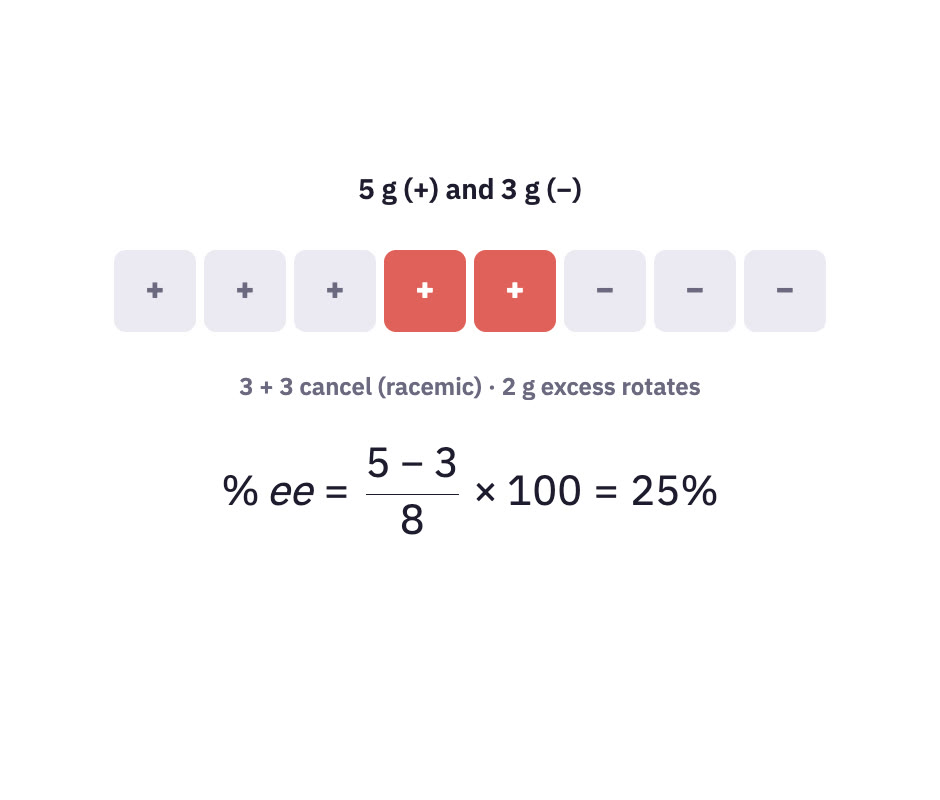
Racemic Mixtures, Optical Purity and Configuration
Calculate enantiomeric excess, and tell retention, inversion, racemisation, resolution and asymmetric synthesis apart.
Racemisation · Retention and inversion · Enantiomeric excess · Resolution · Walden inversion · Watch on YouTube
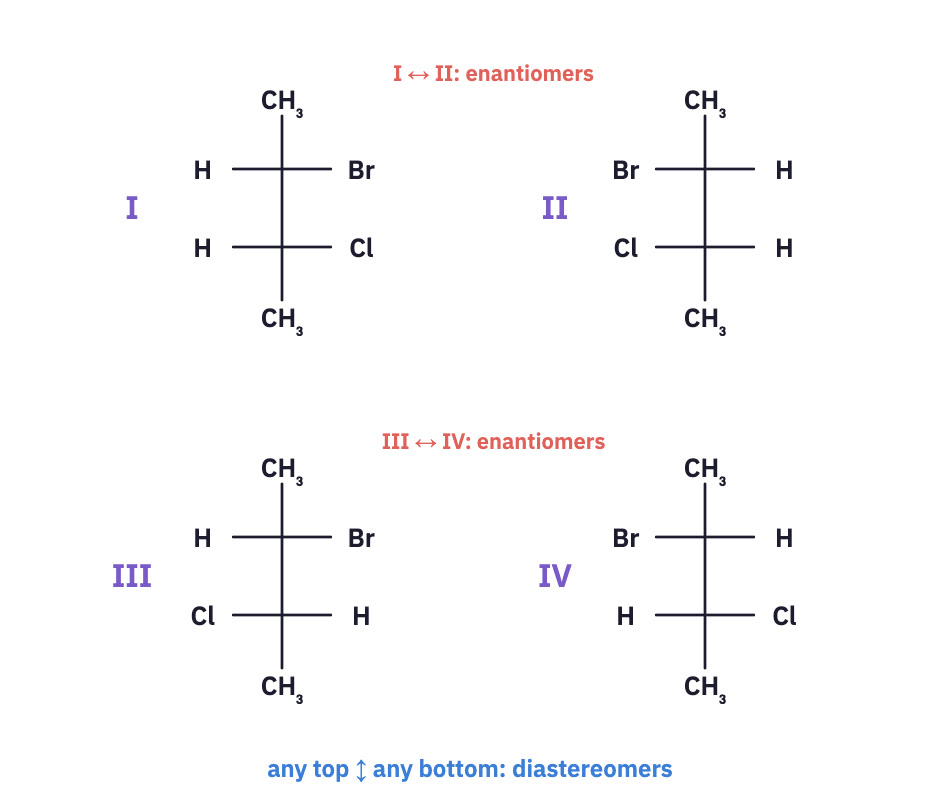
Diastereomers, Fischer Projections and D/L Configuration
Read Fischer projections, tell enantiomers from diastereomers, name erythro/threo pairs and assign D/L.
Fischer projections · Diastereomers · Erythro and threo · D/L configuration
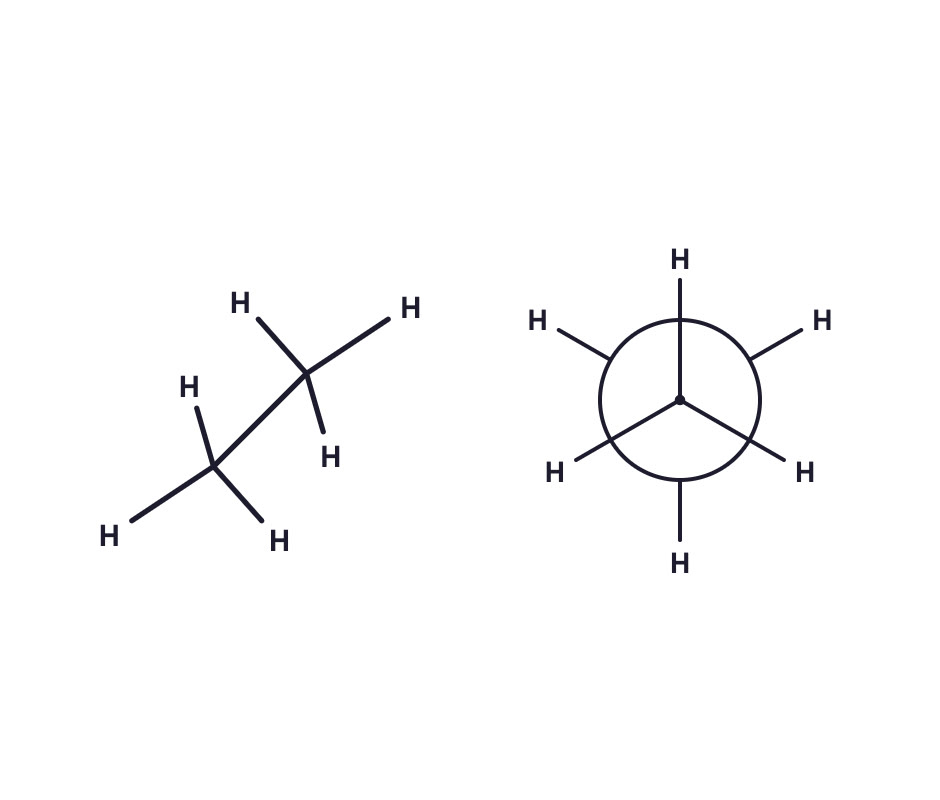
Conformations of Ethane, Propane and Butane
Draw sawhorse and Newman projections, rank conformations by energy, and find anti/gauche fractions from dipole moments.
Newman and sawhorse projections · Ethane and propane · n-Butane conformations · Gauche preference · Dipole moment and mole fraction
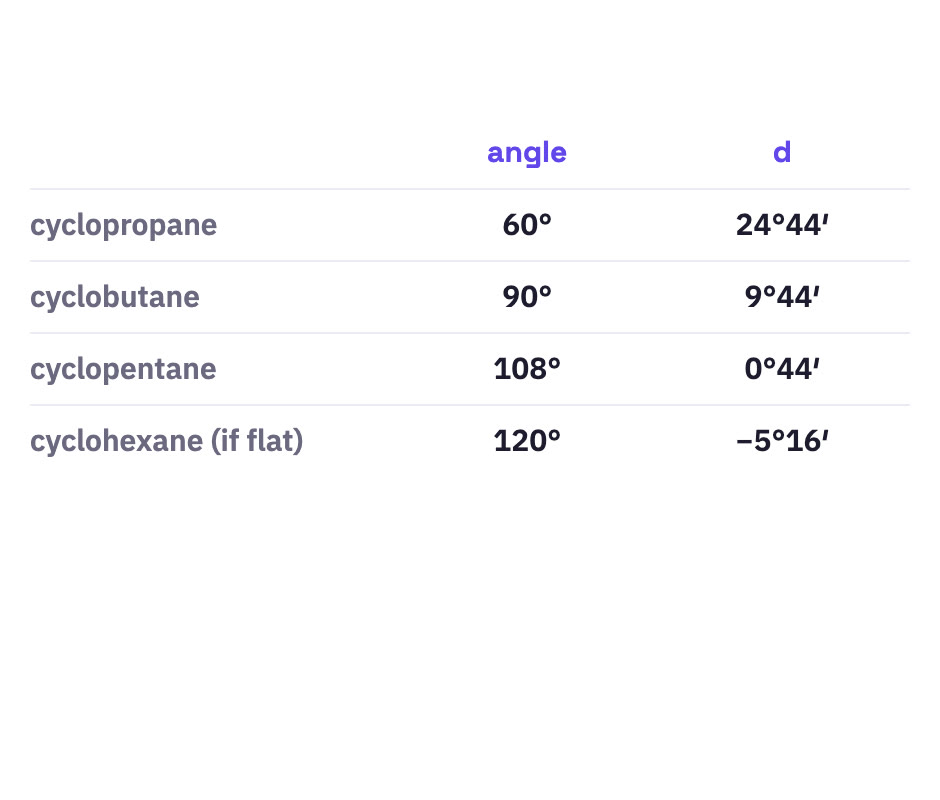
Conformations of Cyclohexane
Apply Baeyer strain theory and its limits, compare chair and boat, and predict stable conformers of substituted cyclohexanes.
Baeyer strain theory · Chair and boat · Axial and equatorial · Disubstituted cyclohexanes